


White is the colour people wear for their wedding day dresses to signify purity, freshness and new beginnings. This has been a colour association for centuries crossing many cultures. But white is a colour that’s seen as boring and neutral. A blank canvas is white, new rental walls are often painted white and the white wedding dress is white are examples of material possessions posing for new beginnings.
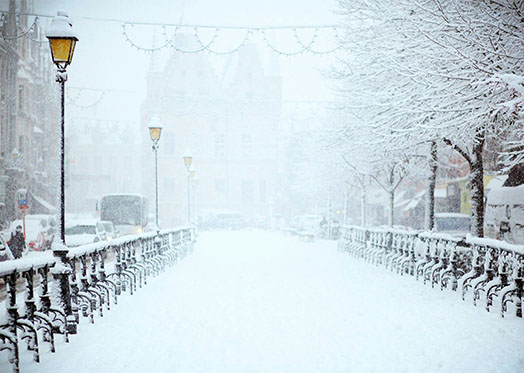
The poetic association of white is usually snow. When snow is untouched by other elements it glistens a white shimmer. Winter is a time when the plants rest and activities slow down. Therefore, white can be seen as isolated, cold, austere, and rigid.
Like beige, white is an overused neutral colour that pairs well with every colour. It’s a colour that people use to lighten a tint to another colour. It’s also associated with light, the acceptance of all colours in the RGB colour system.
In 2026, the colour of the year is supposed to be associated with luxury. It’s hard to keep clean, and look interesting without spending a lot of money. The colour of white has a symbol of luxury can be a slap in the face when colours like deep teal and green could have been selected but weren’t. But white is associated with ivory, marble, cermaics and silks which are expensive luxury products that are usually the colour white. Nonetheless, the colour can have people find issues and errors because small details can be easily detected. Imperfections seen with shadows, a difference of colour or luminance would dictate the cost.
White can be associated with conformity because the colour doesn’t stimulate sensations like other chroma colours and can be easily matched with other objects that are also white. The colour is minimalistic because it lacks distraction and decor. It’s simplistic. It’s a basic neutral that works in any space by adding space and visual breaks into a design. It adds negative space for the viewer to view that artwork and interpret the details in the design without being overwhelming.
Office jobs and other high paying jobs are called “white-collar jobs” because the hard to clean white collared clothes were worn for office and bureaucratic works who stayed indoors and did labour evolving communication, intellect, light labour and administration.
In Medieval times, a study by alchemists believed that the colour white was the most powerful colour due to changing basic metals into silver or gold. They wanted to create a perfect white that was free from any impurities and hold magical properties. The study drew them into more philosophical dead ends when studying colours.
There are religious connotations of white with the afterlife. White can also be seen as a colour of humility because of rejection of luxury. It can give the feelings of moral seriousness, self-control, enlightenment, truth and innocence.
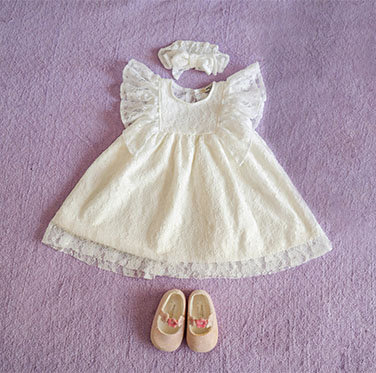
White baby gowns are used in baptisms to symbolize the light of Christ and tradition. The colour white signifies purity, innocence, and newness. A baptism is seen as a cleansing of original sin and being symbolically “washed” to give a fresh new start in their faith.
In Eastern cultures, white is associated with death and sadness, not black. It is the preferred colour for mourning and funerary symbolisms. It also symbolizes rebirth “representing the soul’s liberation from the body and the natural progression of life.” White unadorned garments are worn has mourning clothing depending on the religious beliefs. In Hinduism, widowers wear white clothing to reflect the detachment from worldly life.
Death shrouds were often undyed fabrics meant to cover up the dead. The shrouds were cotton, linen, silk, wool or simple cloth if the community were poor. It symbolized humility and equality before God. In Judaism, tachrichim is the traditional burial shroud. It’s a plain white garment, usually made of linen, and it is a practice based on the principle of returning to God in a simple, humble manner. It symbolizes the equality of all people in death, regardless of their wealth or status. In Islam, the kafan is a simple white shroud wrapped on a cleaned body to be buried quickly after death. The simplicity of the kafan reflects the idea of humility and equality before God. In Christianity, a burial cloth that was sometimes embroidered with a cross was placed on the body before burial. In Ancient Egypt, deceased bodies were wrapped in linens in the process of mummification to prepare the body for the afterlife. The shroud as different names in different religions but it us seen as the act of final respects and care for the recently deceased.
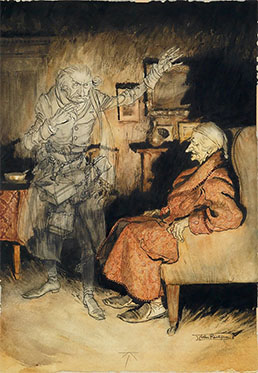
Ghosts and spirits portrayed in pop culture are shown surrounded by a white light sometimes beings made of lights with little shadows. When people see something scary, they can go as “white as a ghost.” As if the blood as rushed out of their faces making them look really white. The pop culture phrase about running into the [white] light connects crossing over to the afterlife as a colour associated with it. In religious paintings, angels are often painted in white robes with glowing white light. White is an easily recognized colour and symbolized spirits, purity and the supernatural in this context since the age of antiquity. Spirits were once perceived as fog, light or mist around shadowy figures. In the Victorian age, pale, white and shrouded figures like Jacob Marley in A Christmas Carol. While photography errors in the 19th and 20th century had ghostly ethereal figures overlapping in photographs. In media, a bright white neon-glow of a translucent person signifies a ghost. The ghosts were translucent to signify the absence of a physical form (a body) to interact with like they exist outside the bounds of the reality we are accustomed to. The fog and mist is an over worldly view of something in nature that’s fleeting. It’s visible but it’s air. The bright white glow makes a ghostly figure look intangible and ephemeral like the supernatural being is connected to the spirit realm.
In short, white becomes meaningful not because of what it shows, but because of what it lacks—stain, excess, and distraction.
Further Reading:
A Christmas Carol by Charles Dickens (1843)
The Tradition and Origins of the White Wedding
Banner Credit:
People on snow covered ground during daytime – Photo by Henri Picot on Unsplash
References:
https://www.verywellmind.com/color-psychology-white-2795822
https://www.color-meanings.com/white-color-meaning-the-color-white/
https://www.smithsonianmag.com/smart-news/color-white-dark-past-180956274/
 Under The Moonlight
0 comments on “Austerity and Purity: The Symbolism of the Colour White in Art and Culture”