Artificial food colouring has existed in food production for a very long time. Artificial colouring is synthetic colour added into food to change the appearance. It can make food look more appealing to eat than eating the food in the natural food colour. It can be a gel, liquid, powder or paste that can be added in to change a bland coloured dessert into a vibrant dish. Artificial colouring is not only in food it can be found in cosmetics and pharmaceuticals. People have been colouring food since the Ancient Egypt with turmeric, saffron and paprika.
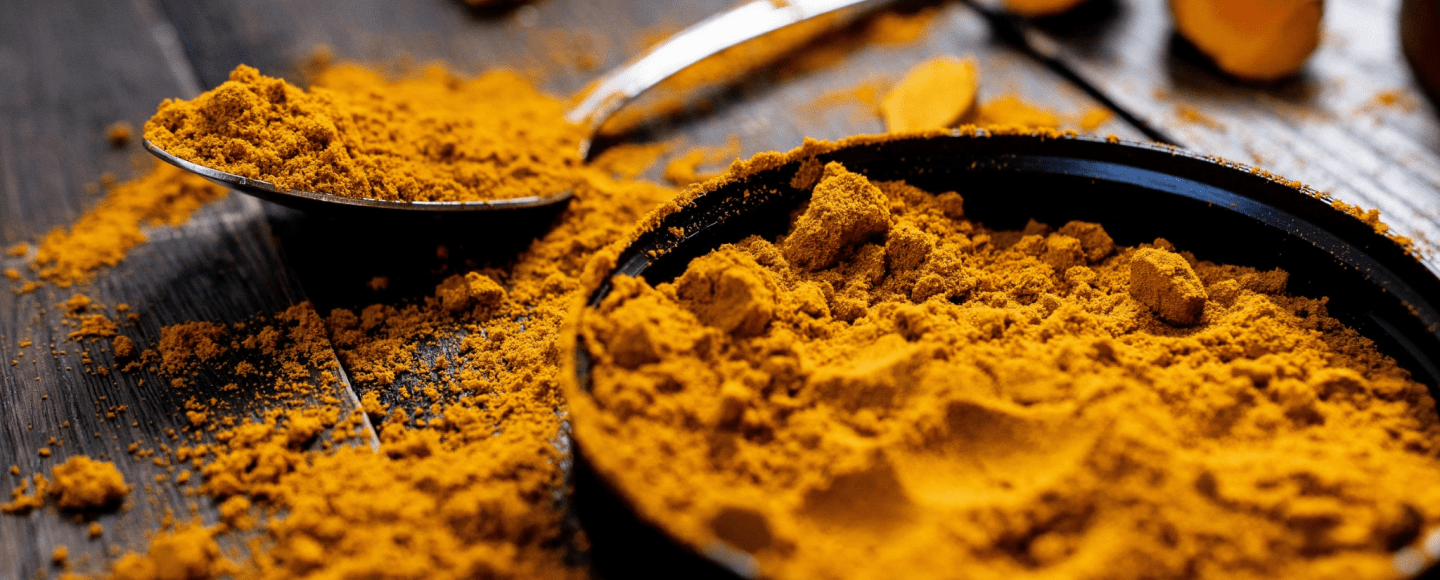
Turmeric sometimes called Curcumin gives off a bright yellow colour due to extracting the fluorescent yellow from the root. It is an important food in food colouring by it being used for 2000 years in curries bring it that bright yellow colour to a deep yellow when added in the making of the dish. It has been cultivated from South Asia and grounded up in a crude powder for use. It is known as a natural food colour. It is widely used as a spice and as a food colouring still. Saffron gives off a bright colour when added into foods like curries. It comes from a flower called “saffron crocus”. When the saffron threads (stigma and styles from the pollinator part of the flower) are plucked, dried and grounded up it can make a bright red-orange colour. And paprika grounded up from pepper pods into a bright red colour to a blood red. It all depends on the intensity of how much material is used.
Other natural dyes like indigo, carrots, pomegranates, beets and berries have been used in some way to create an additive colour to meals for centuries. Common food colourings are usually a carotenoids, chlorophyll, anthocyanin, and turmeric. Natural dyes are very expensive to create. The cultivating the grown materials can be very expensive. Saffron for example is an expensive seasoning and food colouring because of how hard it is to grow enough flowers to cultivate for cuisines. Artificial colouring was invented to replace the growing expense of the natural food colouring process. After mauveine was invented around the mid-1800s and was used for cosmetics, fabrics and drugs, it was eventually used for food. At the beginning of this new industry, it created a lot of poisonings due to some artificial dyes containing lead, arsenic and mercury. Lead white contained lead. Some greens like Emerald green or Paris green contained arsenic. And red vermillion and some early 1900s food dyes contained mercury. It was once called dubbed ‘coal-tar’ because the dyes were created from bitumen coal (black coal).
The quality of food decreased because it was too adulterated with dangerous chemicals. During the 1800s in was not uncommon to find that most milk that can be purchased from the store might have been adulterated like it was watered down and contained chalk and the bread had alum to made it whiter and tea leaves coated with arsenic green to make them greener after dehydration candies were coated with lead. Lead was added to several food items like beer, wine, coffee, teas and pastries had lead added to it to make them sweeter. While gypsum was added into sugar. These additives would add weight to their product and increase earnings from their products. There were laws and regulations that tried to stop the adulteration of food reasons but they were hard to reinforce due to a lack of testing giving evidence of pollutants. Some organizations were against these practices in the food industry and sought to change them.
Regulations and health risks changed a lot of the artificial food colouring process. Over time it became safer but they are still made from chemicals. In 1906 American federal agents stepped in and Congress passed a bill to stop the production use of poisonous or harmful colors in confectionery and the coloring or staining of food to conceal damage or inferiority. In 1938, the Food, Drug, and Cosmetic Act of 1938 only approved seven colours for use which are Blue No. 1 (Brilliant Blue FCF), Blue No. 2 (Indigotine), Green No. 3 (Fast Green FCF), Red No. 3 (Erythrosine), Red No. 40 (Allura Red AC), Yellow No. 5 (Tartrazine), and Yellow No. 6 (Sunset Yellow FCF). They are still used today in foods and cosmetics.
A few of the listed dyes are called an azo dye. Quoted from Science Direct “Azo dyes are the largest group of synthetic dye which has azo (NN) functional group or chromophore, so it can be found in synthetic dye together with aromatic ring structures.” Dyes like Sunset Yellow which is an orange azo dye and Tartrazine which is a lemon yellow azo dye is used in food and pharmaceutical products.
Quick Facts about Artificial Flavouring:
- Alcohol, glycerol, propylene glycol and other various synthetic flavouring agents are used to formulate an extract
- Artificial flavouring enhances the taste and smell of foods and drinks with chemicals
- A flavorist makes artifical flavouring
- Artificial flavourings are simpler in composition and potentially safer because only safety-tested components are utilized.
- The flavorist creating an artificial flavoring must use the same chemicals in his formulation as would be used to make a natural flavouring
For further reading:
“A Treatise on Adulterations of Food, and Culinary Poisons” by chemist Fredrick Accum in 1802 that spoke about food tampering. During this time microbes could detect the difference between ingredients and chemicals added. The book was controversial at the time which earned the author many enemies among London food manufactures.
Banner Credit:
A photograph of turmeric powder with a spoon – Karl Solano on Pexels
Reference:


Artificial food colouring has existed in food production for a very long time. Artificial colouring is synthetic colour added into food to change the appearance. It can make food look more appealing to eat than eating the food in the natural food colour. It can be a gel, liquid, powder or paste that can be added in to change a bland coloured dessert into a vibrant dish. Artificial colouring is not only in food it can be found in cosmetics and pharmaceuticals. People have been colouring food since the Ancient Egypt with turmeric, saffron and paprika.
Turmeric sometimes called Curcumin gives off a bright yellow colour due to extracting the fluorescent yellow from the root. It is an important food in food colouring by it being used for 2000 years in curries bring it that bright yellow colour to a deep yellow when added in the making of the dish. It has been cultivated from South Asia and grounded up in a crude powder for use. It is known as a natural food colour. It is widely used as a spice and as a food colouring still. Saffron gives off a bright colour when added into foods like curries. It comes from a flower called “saffron crocus”. When the saffron threads (stigma and styles from the pollinator part of the flower) are plucked, dried and grounded up it can make a bright red-orange colour. And paprika grounded up from pepper pods into a bright red colour to a blood red. It all depends on the intensity of how much material is used.
Other natural dyes like indigo, carrots, pomegranates, beets and berries have been used in some way to create an additive colour to meals for centuries. Common food colourings are usually a carotenoids, chlorophyll, anthocyanin, and turmeric. Natural dyes are very expensive to create. The cultivating the grown materials can be very expensive. Saffron for example is an expensive seasoning and food colouring because of how hard it is to grow enough flowers to cultivate for cuisines. Artificial colouring was invented to replace the growing expense of the natural food colouring process. After mauveine was invented around the mid-1800s and was used for cosmetics, fabrics and drugs, it was eventually used for food. At the beginning of this new industry, it created a lot of poisonings due to some artificial dyes containing lead, arsenic and mercury. Lead white contained lead. Some greens like Emerald green or Paris green contained arsenic. And red vermillion and some early 1900s food dyes contained mercury. It was once called dubbed ‘coal-tar’ because the dyes were created from bitumen coal (black coal).
The quality of food decreased because it was too adulterated with dangerous chemicals. During the 1800s in was not uncommon to find that most milk that can be purchased from the store might have been adulterated like it was watered down and contained chalk and the bread had alum to made it whiter and tea leaves coated with arsenic green to make them greener after dehydration candies were coated with lead. Lead was added to several food items like beer, wine, coffee, teas and pastries had lead added to it to make them sweeter. While gypsum was added into sugar. These additives would add weight to their product and increase earnings from their products. There were laws and regulations that tried to stop the adulteration of food reasons but they were hard to reinforce due to a lack of testing giving evidence of pollutants. Some organizations were against these practices in the food industry and sought to change them.
Regulations and health risks changed a lot of the artificial food colouring process. Over time it became safer but they are still made from chemicals. In 1906 American federal agents stepped in and Congress passed a bill to stop the production use of poisonous or harmful colors in confectionery and the coloring or staining of food to conceal damage or inferiority. In 1938, the Food, Drug, and Cosmetic Act of 1938 only approved seven colours for use which are Blue No. 1 (Brilliant Blue FCF), Blue No. 2 (Indigotine), Green No. 3 (Fast Green FCF), Red No. 3 (Erythrosine), Red No. 40 (Allura Red AC), Yellow No. 5 (Tartrazine), and Yellow No. 6 (Sunset Yellow FCF). They are still used today in foods and cosmetics.
A few of the listed dyes are called an azo dye. Quoted from Science Direct “Azo dyes are the largest group of synthetic dye which has azo (NN) functional group or chromophore, so it can be found in synthetic dye together with aromatic ring structures.” Dyes like Sunset Yellow which is an orange azo dye and Tartrazine which is a lemon yellow azo dye is used in food and pharmaceutical products.
Quick Facts about Artificial Flavouring:
For further reading:
“A Treatise on Adulterations of Food, and Culinary Poisons” by chemist Fredrick Accum in 1802 that spoke about food tampering. During this time microbes could detect the difference between ingredients and chemicals added. The book was controversial at the time which earned the author many enemies among London food manufactures.
https://publicdomainreview.org/collection/a-treatise-on-adulteration-of-food-and-culinary-poisons-1820
Banner Credit:
A photograph of turmeric powder with a spoon – Karl Solano on Pexels
Reference:
http://www.food-info.net/uk/colour/curcumin.htm
https://www.colormaker.com/natural-ingredients_turmeric
https://www.thespruceeats.com/food-coloring-history-1807601
https://www.fda.gov/media/110464/download
https://www.sciencedirect.com/topics/chemistry/azo-dye
https://onlinelibrary.wiley.com/doi/full/10.1111/j.1541-4337.2009.00089.x
https://www.history.com/news/food-fraud-a-brief-history-of-the-adulteration-of-food
https://www.eater.com/2020/1/28/21112258/pbs-the-poison-squad-documentary-food-regulation-history-deborah-blum-interview
https://www.esquire.com/food-drink/food/a23169/poison-squad/
https://www.fda.gov/media/110464/download
http://www.foodingredient.info/toxicingredients/foodcolorfaqs.html
https://www.naturalnews.com/032512_artificial_colors_food.html
https://www.safefood.eu/Food-Colour-Resource/History.aspx
https://www.latimes.com/archives/la-xpm-1999-jan-18-he-64868-story.html
https://en.wikipedia.org/wiki/Food_coloring
https://www.kemi.se/en/prio-start/chemicals-in-practical-use/substance-groups/azo-dyes
Share this: