The ocean is blue because of the same principles of light waves traveling at a slower rate through particles. But the ocean is blue because of the affect of water layered. In a deep ocean the water can look deep blue and the water at a shallow beach can look light blue or sometimes a greenish blue.
Sometimes it depends on the water. Salt water tends to be blue in colour while fresh water is green.
Freshwater has plenty of materials like algae, plankton, and other types of organic life. Substances can absorb the light to create a blue-green appearance by being able to absorb red and yellow wavelengths. Plant life like algae have chlorophyll tends to refract a greenish hue due to absorption and reflection of light. Freshwater tends not to be deep waters like ocean water which is filled with salt water.
Salt water as fewer organic life like algae that could effect the an uniform scattered of light creating the blue hue. Salt water tends to be in deep waters like seas and oceans making blue wavelength penetration work further into the water. Plus, thete more creatures and phytoplankton that can adjust the reflect more blue light, making the waters look bluer.
In some parts of the world many people can go to a water division line where salt water and fresh water meet up. This line is called the Brackish line. The difference of what is sale water and fresh water is very visible. The brackish line represents the salinity of the water changes gradually due to the mixing of these two types of water. The term “brackish” itself describes water that has a salinity level higher than freshwater but lower than seawater.
Other times the oceans is greener or more turquoise near warmer climates closer to the equator. This could be the amount of phytoplankton in the ocean giving off a greener appearance. The ocean water will look more bluer the further away the microorganisms are from the equator.
Oxygen depletion in the water happens when human activity effects the oxygen content. This is called ocean deoxygenation. This can be caused in two ways: on the coastal zones or in the open ocean. If it’s the coastal zone, the nutrients accumulated in the area. Algae blooms and bacteria growth can be the result of wastewater, fertilizer runoff or sewage affecting the environmental degradation. If it’s the open ocean can be caused by a vary of thing from climate change or the naturally low oxygen areas in the ocean.
Acidity in the ocean can rise causing the ocean to change colour but kill marina life. Acidity has gone up 30% from the past 200 years. For example, in Florida the heat and the acidity rises in the ocean turning it red from the algae is called Karenia Brevis. It secretes toxins into the water killing the marina life, mammal life and humans.
Reference:
The Richest – This Is Why The Color Of Our Oceans Is Changing

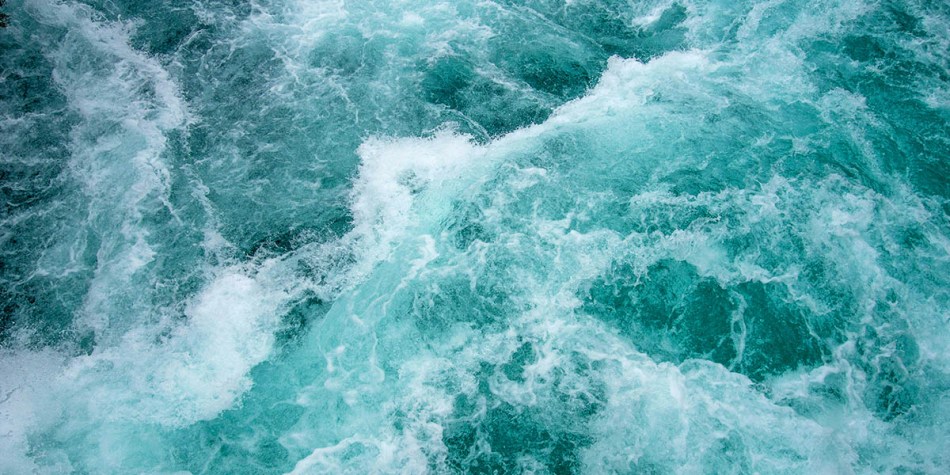

 Under The Moonlight
The ocean is blue because of the same principles of light waves traveling at a slower rate through particles. But the ocean is blue because of the affect of water layered. In a deep ocean the water can look deep blue and the water at a shallow beach can look light blue or sometimes a greenish blue.
Sometimes it depends on the water. Salt water tends to be blue in colour while fresh water is green.
Freshwater has plenty of materials like algae, plankton, and other types of organic life. Substances can absorb the light to create a blue-green appearance by being able to absorb red and yellow wavelengths. Plant life like algae have chlorophyll tends to refract a greenish hue due to absorption and reflection of light. Freshwater tends not to be deep waters like ocean water which is filled with salt water.
Salt water as fewer organic life like algae that could effect the an uniform scattered of light creating the blue hue. Salt water tends to be in deep waters like seas and oceans making blue wavelength penetration work further into the water. Plus, thete more creatures and phytoplankton that can adjust the reflect more blue light, making the waters look bluer.
In some parts of the world many people can go to a water division line where salt water and fresh water meet up. This line is called the Brackish line. The difference of what is sale water and fresh water is very visible. The brackish line represents the salinity of the water changes gradually due to the mixing of these two types of water. The term “brackish” itself describes water that has a salinity level higher than freshwater but lower than seawater.
Other times the oceans is greener or more turquoise near warmer climates closer to the equator. This could be the amount of phytoplankton in the ocean giving off a greener appearance. The ocean water will look more bluer the further away the microorganisms are from the equator.
Oxygen depletion in the water happens when human activity effects the oxygen content. This is called ocean deoxygenation. This can be caused in two ways: on the coastal zones or in the open ocean. If it’s the coastal zone, the nutrients accumulated in the area. Algae blooms and bacteria growth can be the result of wastewater, fertilizer runoff or sewage affecting the environmental degradation. If it’s the open ocean can be caused by a vary of thing from climate change or the naturally low oxygen areas in the ocean.
Acidity in the ocean can rise causing the ocean to change colour but kill marina life. Acidity has gone up 30% from the past 200 years. For example, in Florida the heat and the acidity rises in the ocean turning it red from the algae is called Karenia Brevis. It secretes toxins into the water killing the marina life, mammal life and humans.
Reference:
The Richest – This Is Why The Color Of Our Oceans Is Changing
Share this: