You might not of realized this but Jack is everywhere.
There are words like carjack, lumberjack, jack-o-lantern, jack-of-all-trades, jackknife, jackass and flapjack to say a few words that have Jack in the name. Why do so many words, especially English words, have the name Jack in it? Was Jack important to someone a long time ago? He’s no one in particular. Jack is a prevalent name. It’s a nickname for the name John. Based on the book, The Pedigree of Jack and of Various Allied Names (1892) by E. W. B. Nicholson the variations of the name Jack, for instance, Jack, Jak, Jacke, or Jakke, never came from names like James or Jacque. The name Jackin was developed through a French nasalization of the English name Jankin which was shortened to Jack throughout the years. It was a popular name in the Middle Ages.
The everyman character in the story. In medieval morality plays which details the life and death of a being that represents all of humanity who is usually the everyman. The play Elckerlijc was written in the Low Countries of The Netherlands around 1470 by Peter Van Diest. The comedy questions Christian salvation and what the everyman should do to attain it. He play is about an everyman who has aĺ of his deeds that are good and evil tallied like an accountant ledger in front of God reflecting on the allegorical accounts of the life of the everyman representing all mankind. There were many adaptations of this play. The well known adaptation being the 15th century play, The Somonyng of Everyman, a morality play by an unknown author from 1598. It even was a 1975 Dutch film based on the play with the same name Elckerlyc. This play was the original concept of the everyman in story.
In England, Jack became a generic name to apply to the familiar, the contemptuous, and anybody (especially from the lower classes) from late 14c. It wa first adopted by sailors for words by the 1650s like Jack-tar in the 1781 and Jack-ashore (meaning drinking in high spirits) in 1875. In England, the word Jack was used to describe a sailor while in the US it was first used to describe a stranger or unknown person by 1889.
He can be applied to many meanings or personalize an idea or intangible thing, for example, Jack Frost and Jack-of-all-trades. By the 15th century, the first recorded used of male personification was jack-of-all-trades which means a person handy at any kind of work or business by 1610s. Jack frost from 1826 means a cold weather front. But there are some weird or not-so-common words like jack-nasty, jack-nasty-face, jack sprat, jack-pudding, jack-out-f-doors, jack-on-both-sides. Even Jack the Ripper the English serial killer who gave himself the name through the “Dear Boss” letters he sent to police between August to November 1888. Jack Ketch the name for hangman and public executioners in 1670s given by James II.
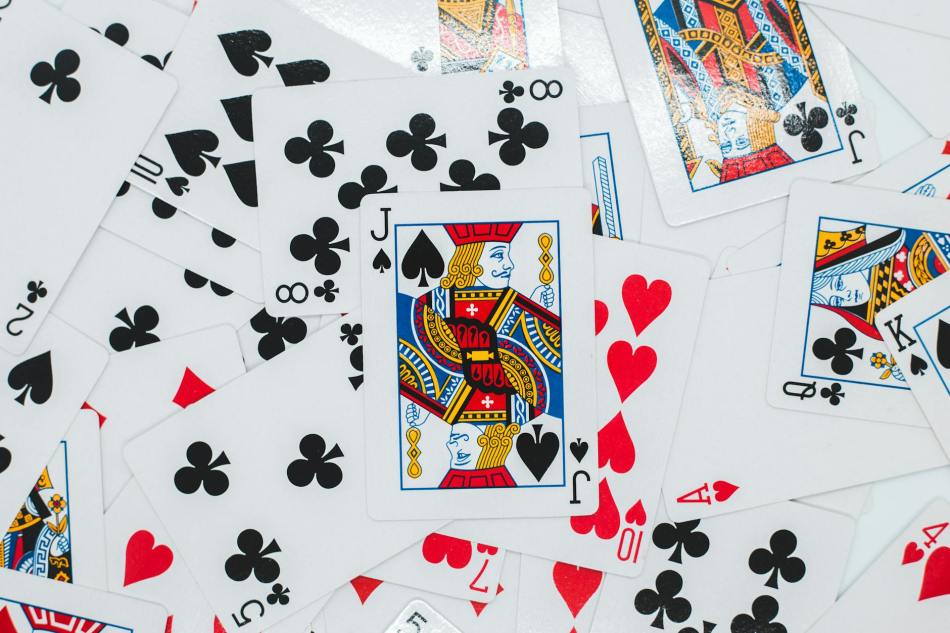
Jack is also noun to personify male identities in mechanics, animals, objects and abstract thing like weather conditions. The words jackass and jackdaw originated from the male donkey and type of birds. Jack in a set of playing cards by 1670 is a peasant. Union jack is a sailor terminology meaning small flag at the bow of a boat by 1630s until in modern times it means the British flag.
Jack as a verb personify male acts and masculine tasks. Like jacking and jackoff means a certain male act.


 Under The Moonlight
You might not of realized this but Jack is everywhere.
There are words like carjack, lumberjack, jack-o-lantern, jack-of-all-trades, jackknife, jackass and flapjack to say a few words that have Jack in the name. Why do so many words, especially English words, have the name Jack in it? Was Jack important to someone a long time ago? He’s no one in particular. Jack is a prevalent name. It’s a nickname for the name John. Based on the book, The Pedigree of Jack and of Various Allied Names (1892) by E. W. B. Nicholson the variations of the name Jack, for instance, Jack, Jak, Jacke, or Jakke, never came from names like James or Jacque. The name Jackin was developed through a French nasalization of the English name Jankin which was shortened to Jack throughout the years. It was a popular name in the Middle Ages.
The everyman character in the story. In medieval morality plays which details the life and death of a being that represents all of humanity who is usually the everyman. The play Elckerlijc was written in the Low Countries of The Netherlands around 1470 by Peter Van Diest. The comedy questions Christian salvation and what the everyman should do to attain it. He play is about an everyman who has aĺ of his deeds that are good and evil tallied like an accountant ledger in front of God reflecting on the allegorical accounts of the life of the everyman representing all mankind. There were many adaptations of this play. The well known adaptation being the 15th century play, The Somonyng of Everyman, a morality play by an unknown author from 1598. It even was a 1975 Dutch film based on the play with the same name Elckerlyc. This play was the original concept of the everyman in story.
In England, Jack became a generic name to apply to the familiar, the contemptuous, and anybody (especially from the lower classes) from late 14c. It wa first adopted by sailors for words by the 1650s like Jack-tar in the 1781 and Jack-ashore (meaning drinking in high spirits) in 1875. In England, the word Jack was used to describe a sailor while in the US it was first used to describe a stranger or unknown person by 1889.
He can be applied to many meanings or personalize an idea or intangible thing, for example, Jack Frost and Jack-of-all-trades. By the 15th century, the first recorded used of male personification was jack-of-all-trades which means a person handy at any kind of work or business by 1610s. Jack frost from 1826 means a cold weather front. But there are some weird or not-so-common words like jack-nasty, jack-nasty-face, jack sprat, jack-pudding, jack-out-f-doors, jack-on-both-sides. Even Jack the Ripper the English serial killer who gave himself the name through the “Dear Boss” letters he sent to police between August to November 1888. Jack Ketch the name for hangman and public executioners in 1670s given by James II.
Jack is also noun to personify male identities in mechanics, animals, objects and abstract thing like weather conditions. The words jackass and jackdaw originated from the male donkey and type of birds. Jack in a set of playing cards by 1670 is a peasant. Union jack is a sailor terminology meaning small flag at the bow of a boat by 1630s until in modern times it means the British flag.
Jack as a verb personify male acts and masculine tasks. Like jacking and jackoff means a certain male act.
Resources:
Why is Jack a nickname of John? – Dictionary of Medieval Names from European Sources
https://www.etymonline.com/word/Jack
https://www.britannica.com/biography/Jack-the-Ripper
Share this: