It’s important to know a bit about the history around you, especially when you get a day off from work in the middle of summer. In Toronto, Simcoe Day is on the first Monday of August. It’s a Civic Holiday in Canada, which isn’t necessarily the same in all provinces. For instance, in British Columbia, it’s called British Columbia Day, in Manitoba, it’s called Terry Fox Day, and in Guelph, Ontario, it’s called John Galt Day. Every province calls the day something different, but it all means the same thing. It’s been around since 1869.
The introduction of a public holiday in August was first introduced by John Carr, serving as a local alderman at City Council for St. Andrew’s Ward and later St. Patrick’s Ward, in September 1861. It was introduced as a public holiday to a civic holiday by 1939 when Western Canada adopted it. In 1969, the civic holiday changed its name to Simcoe Day.
Simcoe Day is named after Upper Canada’s first lieutenant governor, John Graves Simcoe, the man who initiated the abolition of slavery. Canada was the first country within the British Empire to abolish slavery. Simcoe was a known supporter of abolition because of the Chloe Clooey incident.
The Chloe Clooey Incident
Chloe Cooey was a slave girl who was being violently abused by a slave owner. She was sold across the Niagara River into the United States, where her scream could be heard by many people. This incident was reported to Simcoe by a former slave, Peter Martin.
The Introduction of the Anti-slavery Act
Due to the number of members of the legislative assembly who had slaves and resisted the original anti-slavery act, which was written. The act was compromised, but it did lead to the end of enslavement in Canada. The revised act allowed slave owners to own the slaves they had until the slaves died, but they were not allowed to purchase new slaves from the United States, and children from female slaves born after the act would become free after 25 years old. It’s a compromise, but it did lead to the end. The anti-slavery act was first passed in the colony, then remained in effect until August 24, 1833, when Britain’s Slavery Abolition Act placed an end to slavery in most of the empire.
Emancipation Day
Emancipation Day is celebrated across the former British colonies, including some Caribbean countries, and the United States observe these days in August because of the Slavery Abolition Act. In Ontario, Emancipation Day has been a dedicated civic holiday since 2008. Since 1967, the Caribbean Carnival (formerly known as Caribana) has been associated with celebrating Emancipation Day. A committee from the Caribbean curated events that incorporated cultural traditions and celebrations, such as food, costumes, music, and dance, as they were celebrated back home.
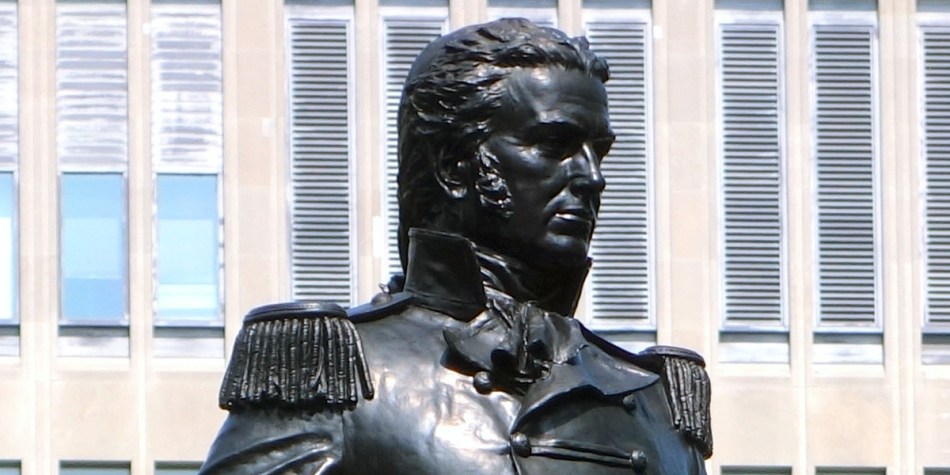
Banner Credit: Photo of John Simcoe’s Statue – Under The Moonlight
Reference:
CBC – Simcoe Day: Canada’s roots in slavery and the historic abolition
BlogTO – The fascinating history of Ontario’s August Civic Holiday


 Under The Moonlight
It’s important to know a bit about the history around you, especially when you get a day off from work in the middle of summer. In Toronto, Simcoe Day is on the first Monday of August. It’s a Civic Holiday in Canada, which isn’t necessarily the same in all provinces. For instance, in British Columbia, it’s called British Columbia Day, in Manitoba, it’s called Terry Fox Day, and in Guelph, Ontario, it’s called John Galt Day. Every province calls the day something different, but it all means the same thing. It’s been around since 1869.
The introduction of a public holiday in August was first introduced by John Carr, serving as a local alderman at City Council for St. Andrew’s Ward and later St. Patrick’s Ward, in September 1861. It was introduced as a public holiday to a civic holiday by 1939 when Western Canada adopted it. In 1969, the civic holiday changed its name to Simcoe Day.
Simcoe Day is named after Upper Canada’s first lieutenant governor, John Graves Simcoe, the man who initiated the abolition of slavery. Canada was the first country within the British Empire to abolish slavery. Simcoe was a known supporter of abolition because of the Chloe Clooey incident.
The Chloe Clooey Incident
Chloe Cooey was a slave girl who was being violently abused by a slave owner. She was sold across the Niagara River into the United States, where her scream could be heard by many people. This incident was reported to Simcoe by a former slave, Peter Martin.
The Introduction of the Anti-slavery Act
Due to the number of members of the legislative assembly who had slaves and resisted the original anti-slavery act, which was written. The act was compromised, but it did lead to the end of enslavement in Canada. The revised act allowed slave owners to own the slaves they had until the slaves died, but they were not allowed to purchase new slaves from the United States, and children from female slaves born after the act would become free after 25 years old. It’s a compromise, but it did lead to the end. The anti-slavery act was first passed in the colony, then remained in effect until August 24, 1833, when Britain’s Slavery Abolition Act placed an end to slavery in most of the empire.
Emancipation Day
Emancipation Day is celebrated across the former British colonies, including some Caribbean countries, and the United States observe these days in August because of the Slavery Abolition Act. In Ontario, Emancipation Day has been a dedicated civic holiday since 2008. Since 1967, the Caribbean Carnival (formerly known as Caribana) has been associated with celebrating Emancipation Day. A committee from the Caribbean curated events that incorporated cultural traditions and celebrations, such as food, costumes, music, and dance, as they were celebrated back home.
Banner Credit: Photo of John Simcoe’s Statue – Under The Moonlight
Reference:
CBC – Simcoe Day: Canada’s roots in slavery and the historic abolition
BlogTO – The fascinating history of Ontario’s August Civic Holiday
Share this: